
English| EUR
Suggested for you
More currencies
Choose a language
Italian table cheese is the category of fresh and semi-aged cheeses intended for daily eating rather than cooking or grating. At Masseria Seppunisi, visitors encounter the full range of Apulian dairy tradition, from milk collection to aging rooms, and learn how altitude, grass, and time shape flavor.
Quick answer
Italian table cheese refers to fresh and lightly aged cheeses eaten as they are—sliced, paired with bread, or arranged on a board—rather than melted or grated into recipes. The category includes soft cheeses like ricotta and mozzarella, stretched-curd varieties such as caciocavallo, and semi-firm wheels aged between two weeks and six months. In Puglia, table cheeses reflect local milk, pasture conditions, and family recipes passed across generations.
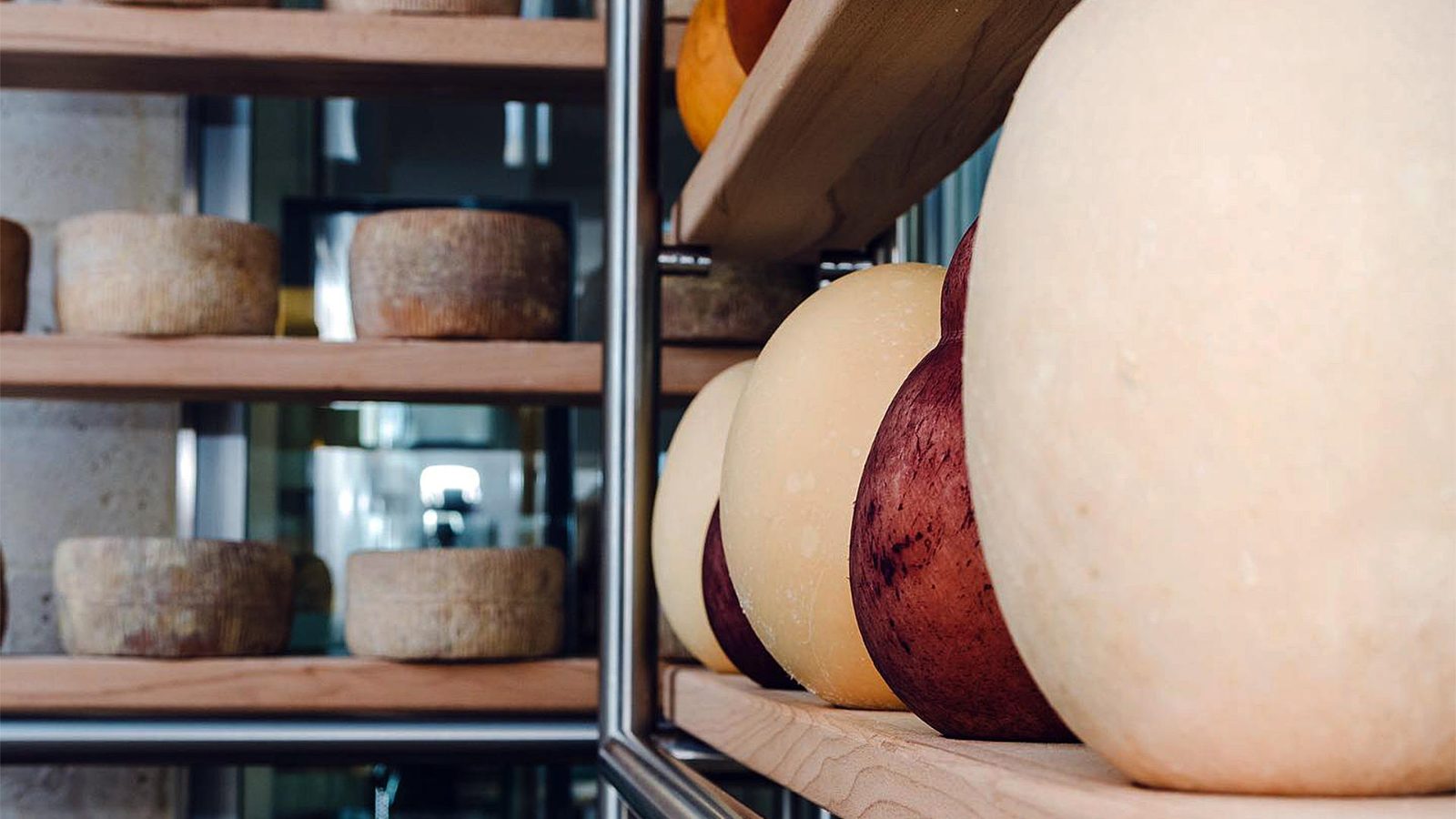
The term formaggio da tavola distinguishes cheeses made to be tasted from those designed for cooking. While Parmigiano-Reggiano becomes a sauce ingredient and pecorino romano seasons pasta, table cheeses are consumed whole, their texture and aroma defining the experience. Southern Italy produces dozens of varieties within this category, many tied to small dairies and seasonal milk flows. At Masseria Seppunisi, the production cycle begins with morning milk deliveries from neighboring farms. The dairy operates traditional copper vats where curds are cut by hand and whey is drained through woven reeds. Stretched-curd cheeses like caciocavallo require kneading in hot water until the paste becomes elastic, then shaping by hand and hanging in pairs to age. Fresh cheeses such as burrata and stracciatella are consumed within forty-eight hours, while semi-aged varieties rest in temperature-controlled rooms for weeks or months, developing a firmer rind and deeper flavor. Visitors who arrive during morning hours can observe the stretching process and see aging rooms lined with wheels at different stages. The dairy's tasting sessions pair table cheeses with local bread, olive oil, and preserved vegetables, demonstrating how texture and acidity balance each other. Understanding what is Italian table cheese requires tasting it in the environment where it is made—where humidity, altitude, and the grasses cows graze on all leave their mark on the final product. Masseria Seppunisi offers free entry to its grounds, with guided tastings and dairy tours booked separately. The facility is open most mornings and several afternoons each week, with Thursday and Sunday closing at midday. Visitors interested in the full production cycle should plan to arrive before noon, when dairy operations are most active and natural light fills the aging rooms.
“Stretched-curd cheeses require kneading in hot water until the paste becomes elastic, then shaping by hand and hanging in pairs to age.”
In the context of Masseria Seppunisi, Italian table cheese refers to artisanal dairy products crafted for daily consumption, ranging from fresh curds to matured wheels. These cheeses represent the intersection of Puglia's pastoral traditions and specific local production techniques.
Table cheese, or formaggio da tavola, refers to cheeses intended to be eaten on their own or with bread, rather than used primarily as cooking ingredients. At Masseria Seppunisi, this category highlights the versatility of fresh, semi-aged, and aged varieties.
Production relies on milk sourced from livestock grazing on local Mediterranean forage. This specific diet influences the flavor profile, fat content, and overall character of the final cheese.
Fresh table cheeses, such as those consumed shortly after production, retain a high moisture content and a delicate, lactic flavor. These are typically crafted to be consumed within days to maintain their texture.
Semi-aged table cheeses undergo a brief maturation period, resulting in a firmer paste and more developed savory notes. This stage balances mildness with the complexity introduced by local bacterial cultures.
Aged varieties are kept in controlled environments to allow moisture loss and enzyme activity to intensify the flavor. These cheeses develop a granular or crystalline structure, offering a sharper, more concentrated taste.
Artisan production involves manual curd cutting and traditional molding techniques that have been practiced in the Puglia region for generations. These methods ensure that each batch reflects the subtle variations in seasonal milk supply.
The optimal time to observe authentic dairy production is the morning arrival window of 08:00–12:00, which aligns with the daily operational cycle. Visiting during this period provides the clearest view of the cheesemaking process as fresh milk is processed.
Mild (15–22°C)
Ideal for comfortable outdoor walks and observing peak spring milk yields.
Warm (25–32°C)
Dairy operations occur early to manage rising temperatures before midday heat.
Cool (18–24°C)
Harvest and production cycles remain active with fewer visitors on site.
—
Best for quiet observation of daily production and direct access to staff.
Verdict: The best time to visit is weekday mornings in April or October to observe production cycles while avoiding peak seasonal crowds.
Masseria Seppunisi maintains a consistent weekly schedule for visitors interested in Italian table cheese education. The facility operates with split hours on most weekdays and maintains a morning-only schedule on Thursdays and Sundays.
Admission to the Masseria Seppunisi grounds is free of charge. Specialized tasting experiences and dairy production tours are available as separate, bookable services.
Verdict: The standard entrance fee is 0 EUR, though visitors may choose to pay for scheduled tours and private tastings.
Masseria Seppunisi is located at via Galante Gargiulo - G.Nisi, 66, 72013 Ceglie Messapica BR, Italy. The most efficient approach for visitors traveling throughout Puglia is by car via the provincial road network.
SS379 towards Ostuni and follow signs for Ceglie Messapica
Stp line towards Ceglie Messapica center
Direct transfer to via Galante Gargiulo - G.Nisi, 66
For the best experience, plan your arrival between 08:00–12:00, as these morning hours provide the best light and the most opportunity to observe the dairy operations.
Everything you need to know about what is italian table cheese
In the context of local dairy traditions, what is italian table cheese refers to fresh or semi-soft products intended for daily consumption rather than long-term aging. These items are prized for their mild flavor profiles and creamy textures, often enjoyed shortly after production. Puglia dairy heritage highlights these selections as central to the Mediterranean diet and regional hospitality. Understanding what is italian table cheese helps visitors appreciate the fundamental role of fresh curd and simple processing methods in local agriculture. Unlike aged products that gain complexity over months, this fresh cheese variant emphasizes the quality of raw sheep or cow milk. The result is a versatile culinary staple that pairs well with local bread, olive oil, and fresh vegetables found in Ceglie Messapica. Visitors can observe the daily routines of the dairy and gain firsthand insight into how traditional curd is transformed into artisanal products. Watching the morning operations provides a unique perspective on the craft, making it an educational stop for those curious about authentic regional food systems. Entrance to the property is 0 EUR, meaning there is no fee to access the grounds for a general visit. While the site is free to enter, any specialized tasting experiences or guided tours should be booked separately through our official channels. The best arrival window is between 08:00 and 12:00, as morning hours offer the best light and opportunity to see dairy operations. Arriving early ensures you can witness the artisans at work before the afternoon break. Families are welcome to walk the grounds and observe the pastoral setting of the farm. While younger visitors can enjoy the open space, the environment remains a working dairy, so close supervision is required to ensure a safe experience for everyone. We suggest setting aside approximately one to two hours for a visit to the farm. This duration allows enough time to walk through the facilities and enjoy the peaceful atmosphere of the Puglia countryside.